Real Protection Without Breaking How You Work.
Most privacy advice fails because it assumes perfect behavior. Executives do not have that luxury. This stack focuses on protection that holds up under real-world use.
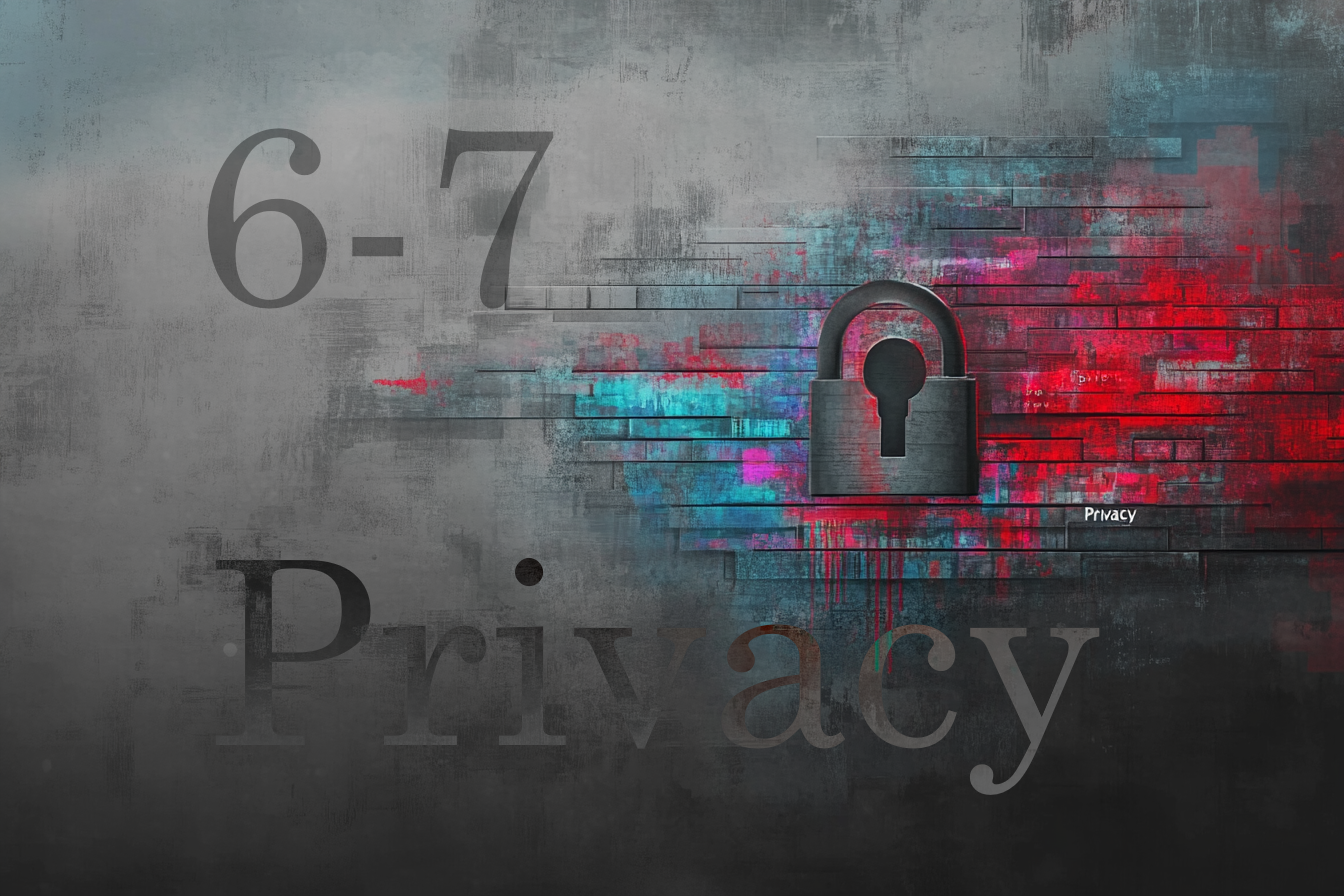
What We Mean by 6–7 Privacy
Privacy is not binary. It is a spectrum. At one end, you have convenience-first systems that leak everything. At the other, you have extreme setups that sacrifice usability, reliability, and adoption. 6–7 privacy sits in the middle.
It means:
- Strong defaults
- Meaningful reduction in data exhaust
- Resistance to mass tracking
- Tools people actually keep using
It does not mean:
- Total anonymity
- Zero accounts
- Constant breakage
- Lifestyle disruption
Privacy that people actually maintain beats privacy they aspire to.
With that framing in mind, here is a privacy stack that consistently lands in the 6–7 range without collapsing under daily use.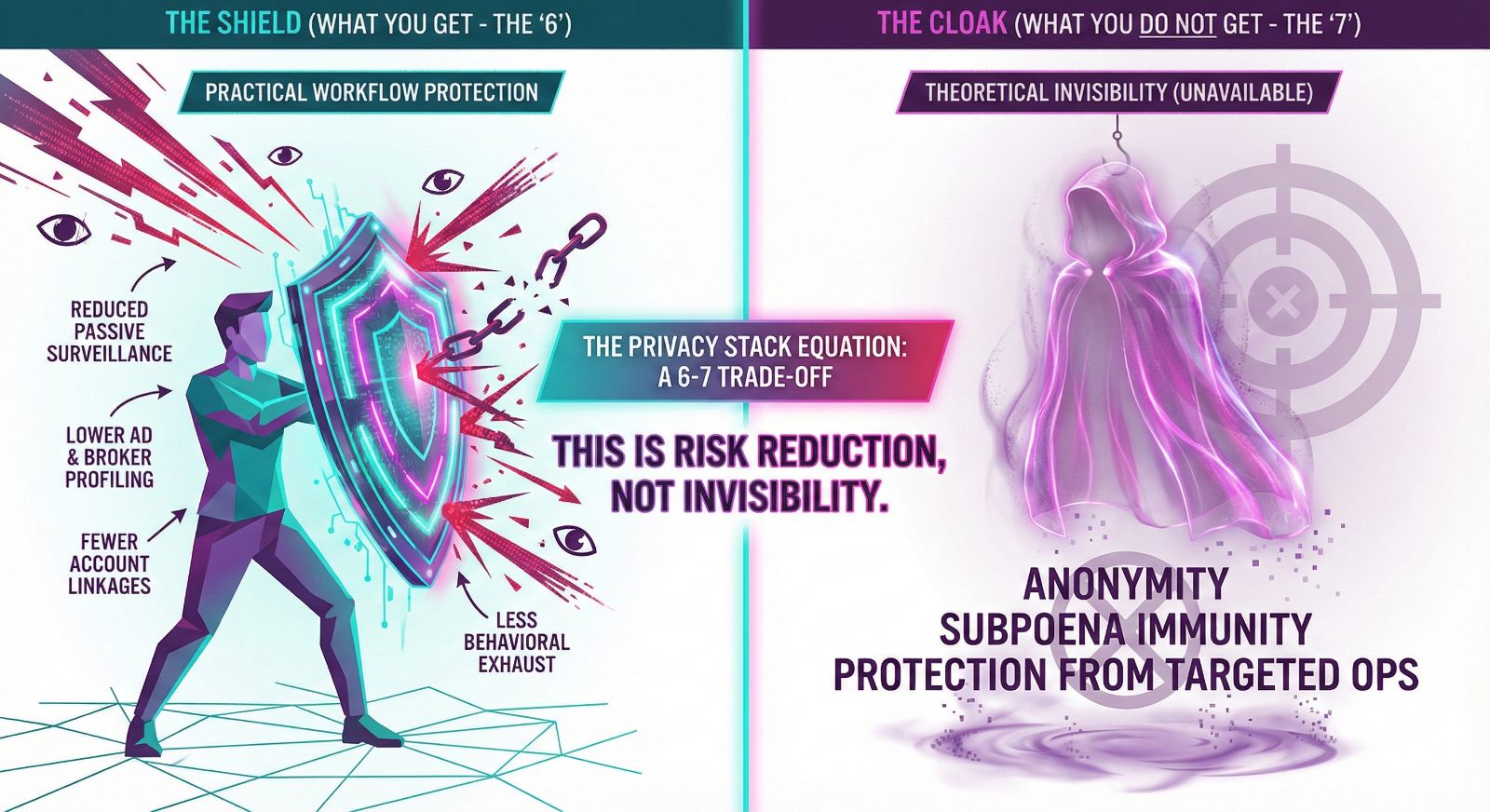
Need more than 6–7 Privacy?
The best way to get it is a data audit, data wipe, and OPSEC training from ObscureIQ.
Schedule a Call TodayThe Privacy Stack Components
🟣 Browser – Primary: Brave
Why:- Strong defaults out of the box
- Tracker and fingerprinting resistance without tuning
- Chromium compatibility keeps sites working
Acceptable Alternatives:
- DuckDuckGo Browser
- Firefox with restraint, not hardening
Deep Dive: OIQ Private Browser comparison
🟣 Messenger – Primary: Signal
Why:- End-to-end encryption by default
- Minimal metadata relative to peers
- Onboarding friction is low
Acceptable Alternatives:
- WhatsApp for reach, not sensitivity
- Threema for paid, no-phone-number option
Reality Check: Metadata still exists. Assume contacts and timing leak.
Deep Dive: OIQ Secure Messenger comparison
🟣 Email – Primary: Proton Mail
Why: End-to-end encryption between Proton users, reduced data exposure, decent usability.Acceptable Alternative:
- Fastmail with aliases and discipline
Deep Dive: OIQ Private Email comparison
🟣 Password Manager – Primary: 1Password
Why:- Strong security model
- Usable across teams and devices
- Good breach response hygiene
Acceptable Alternative: Bitwarden
Hard Rule: Unique passwords everywhere, hardware key if possible
Deep Dive: OIQ Password Manager comparison
🟣 Cloud Storage – Primary: Proton Drive
Why:- Encryption by default
- Fewer behavioral incentives to analyze files
Acceptable Alternatives:
- Tresorit
- Sync.com
Reality Check: Cloud storage is convenience, not secrecy. Assume filenames and access patterns leak.
Deep Dive: OIQ Cloud storage comparison
🟣 Search – Primary: DuckDuckGo
Why:- No user profiling
- Familiar results
- Minimal behavior logging
Acceptable Alternative: Brave Search
Avoid: Google for default searchDeep Dive: OIQ Search Engine comparison
What This Stack Actually Achieves
You Get:- Reduced passive surveillance
- Lower ad and broker profiling
- Fewer account linkages
- Less behavioral exhaust
- Anonymity
- Subpoena immunity
- Protection from targeted ops
This is risk reduction, not invisibility.
Common Ways People Break This Stack
Short list. No mercy.- Logging into Google everywhere anyway
- Installing “privacy” extensions randomly
- Mixing work, personal, and sensitive contexts
- Over-tuning Firefox until fingerprinted
- Assuming tools replace discipline
Tools amplify habits. They do not fix them.
Who This Stack Is For
- Executives
- Journalists off-duty
- Researchers
- Professionals with public exposure
- Normal people with asymmetric risk
Not for:
- Whistleblowers
- Activists under active surveillance
- People facing state-level threats
ObscureIQ Insight:
- Reduce exposure quietly
- Stay usable
- Require minimal maintenance