Attackers Don’t Hack You. They Know You.
Most phishing and social engineering discussions focus on tactics. Better filters. Better training. Better warnings.
That framing misses the real problem.
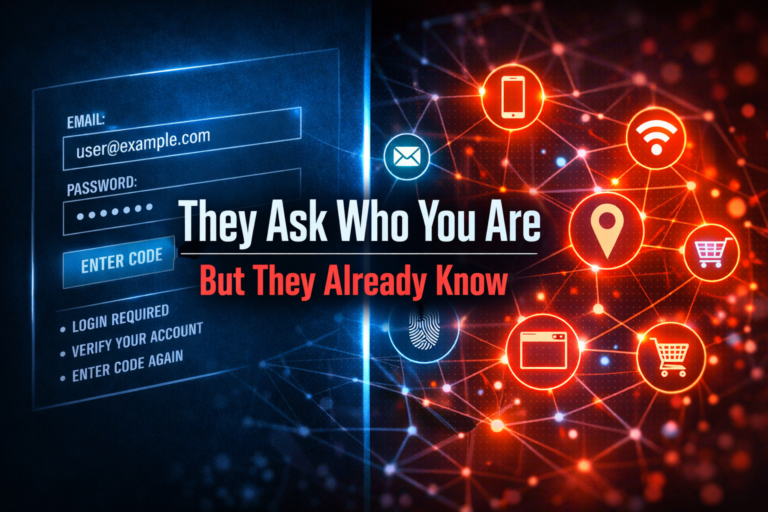
Modern attacks do not start in the inbox. They start in the data layer.

The Real Mechanism
Personalization creates trust. Trust enables social engineering. Remove personalization, and the attack fails.
Attackers are no longer guessing. They are assembling.
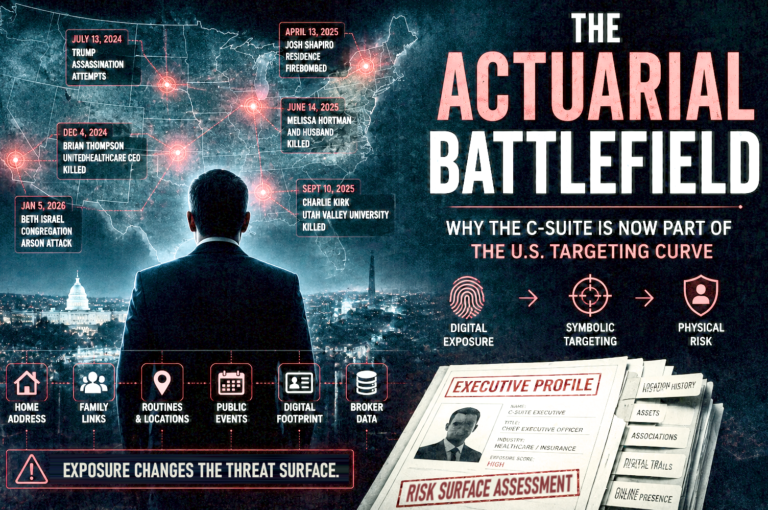
Names, roles, relationships, routines, locations, recent life events. This information is cheap, abundant, and highly structured.
The message only works because it feels familiar.

How Attackers Build Trust Before Contact
Long before the first message is sent, attackers already know:
- Where you work
- Who you report to
- What tools you use
- Where you live or travel
- Who your family members are
- What you recently posted or interacted with
This context does not come from breaches alone. It comes from aggregation.

The Data Supply Chain Behind Social Engineering
Social engineering succeeds because the ecosystem feeds it.
- Data brokers supply the context.
- Oversharing supplies the detail.
- Inaction supplies the permission.
- Identity graphs turn fragments into narratives. Narratives create credibility. Credibility creates trust.
By the time the message arrives, the attacker is already familiar.

Why Training Alone Fails
Security awareness assumes attackers operate blindly. They don’t.
Training helps when messages are generic. It fails when messages feel internal.
When personalization is strong:
- Warnings are overridden
- Doubt feels irrational
- Verification feels unnecessary
Victims do not fail. The system fails them.

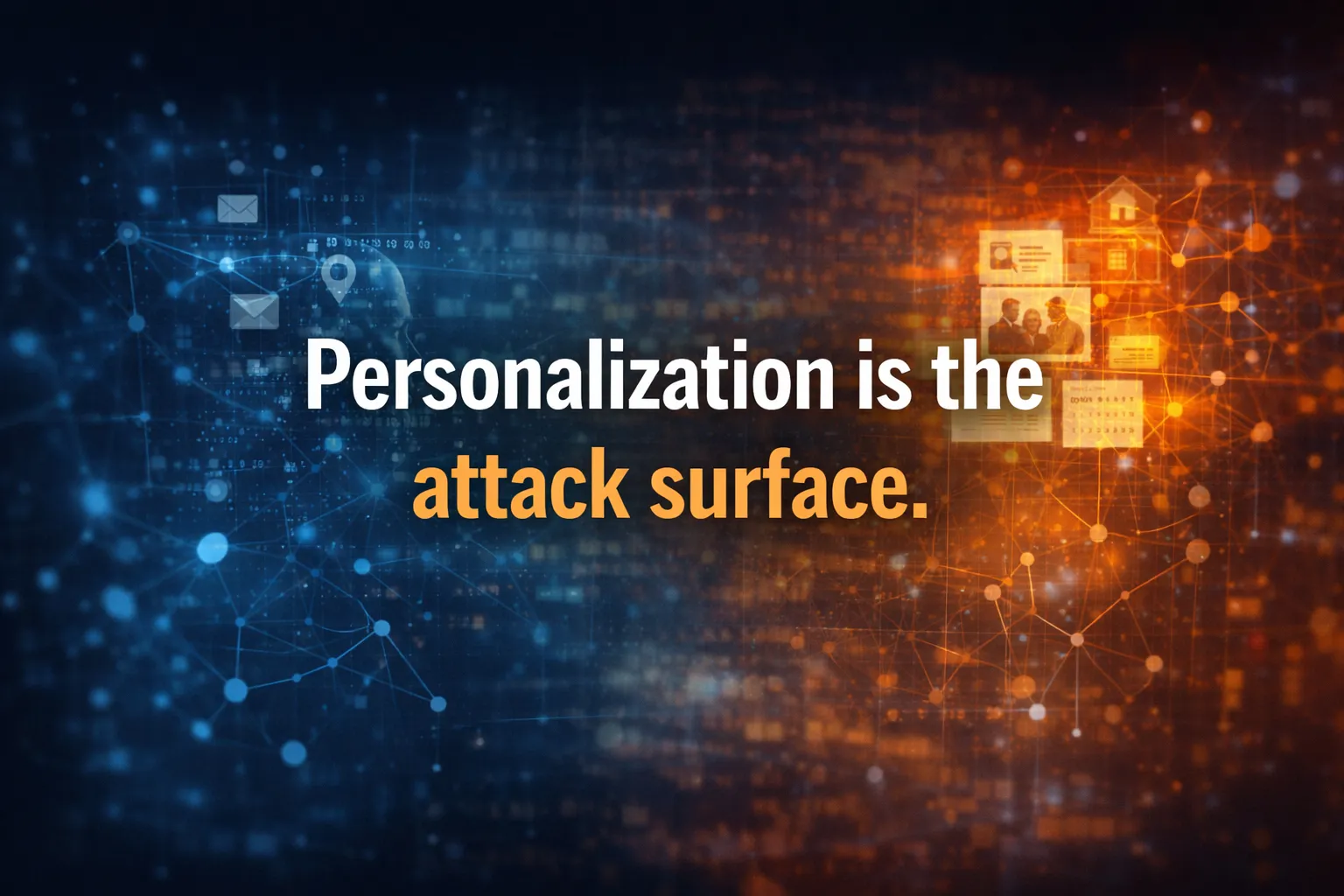
Personalization Is the Attack Surface
We often define attack surface in technical terms. Endpoints. Credentials. Networks.
But for people, the attack surface is informational.
Every exposed record reduces friction. Every correlation increases believability. Every stale data point becomes a lever.
Social engineering is not a messaging problem. It is a data exposure problem.

Breaking the Attack Chain
The most effective defense is upstream.
- Shrink public footprint
- Disrupt data broker profiles
- Remove outdated records
- Suppress correlatable identifiers
- Reduce narrative continuity
Make personalization expensive again.
When attackers lose context, they lose trust. When they lose trust, scale is their only option.
And scale is where defenses actually work.

The Shift That Matters
If you defend only the inbox, you are already late.
The real control point is identity exposure.
Attackers don’t hack you. They know you.
Change what they can know, and the attack collapses.