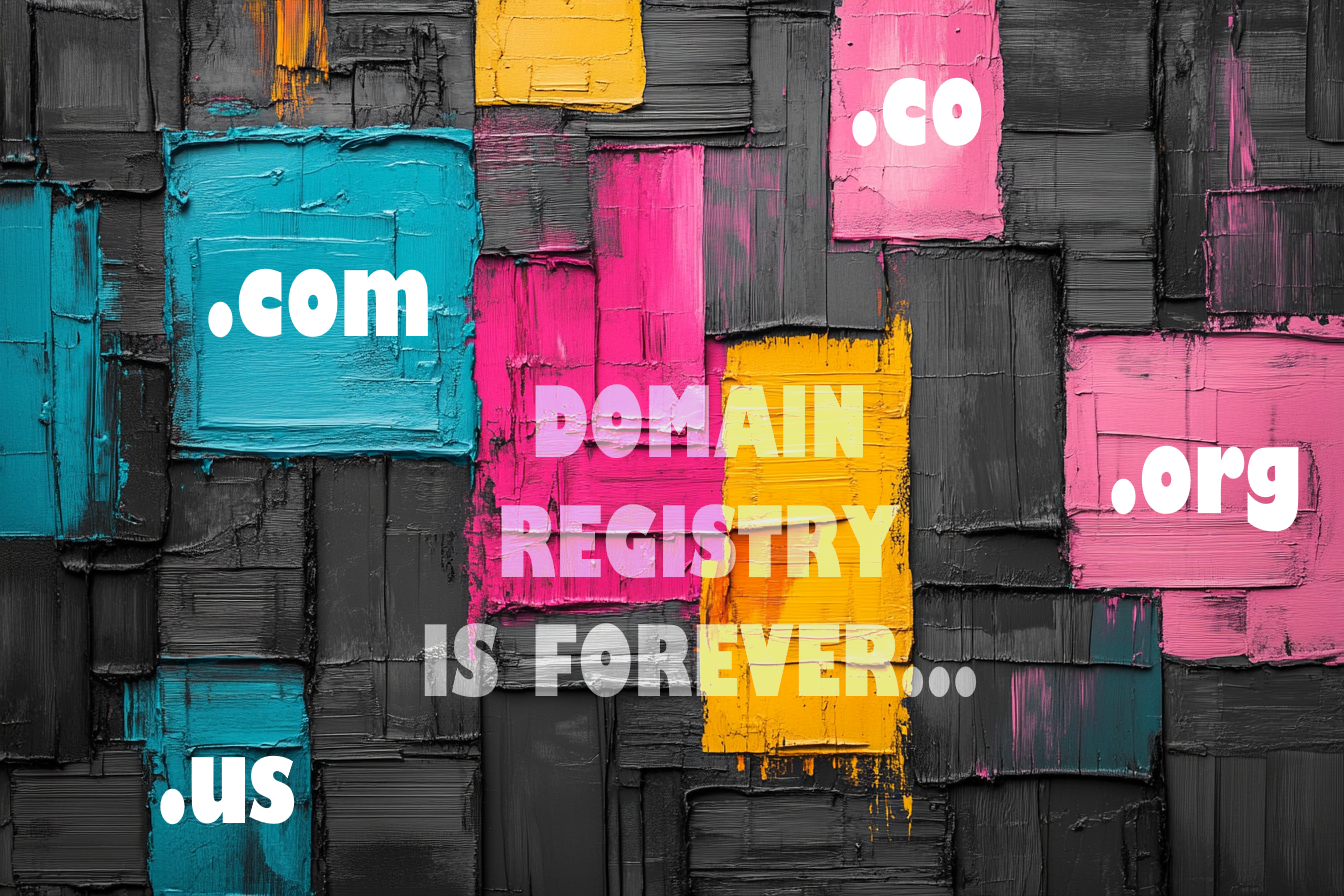
Domain History Is Forever. Plan Accordingly.
Registering a domain is a disclosure event. It is not a private act.
You can reduce exposure.
You cannot undo it. The extent and durability of that exposure vary by registrar, TLD, and jurisdiction.
The guidance below focuses on containment. Not invisibility.
What a Domain Registration Exposes
Registering a domain creates multiple records at once. Some are public. Others are simply not visible.
At a minimum, a domain registration exposes:
- Domain name and creation date
- Registrar and registry
- Name servers and DNS infrastructure
- Hosting and network relationships
Even with WHOIS privacy enabled, registrars often provide proxy email addresses that can still reveal activity patterns if abused.
When privacy settings are disabled, it may also expose:
- Registrant name or organization
- Email address and phone number
- Physical address
Even when personal fields are redacted, infrastructure data remains. That metadata alone is often enough to support attribution.
WHOIS is not a single database. It is an ecosystem.

The Real Risk Is Historical Data
Current WHOIS records are only the surface layer. The deeper risk lives in historical archives.
Commercial platforms continuously snapshot many domain records. If data is public even briefly, it is often stored permanently.
This includes:
- Ownership changes
- Registrar transitions
- Privacy lapses
- Contact detail updates
Later privacy settings do not remove earlier exposure. They only stop new disclosures.
This is why timing matters more than intent.

Who Collects and Uses Domain History
Domain data is collected and reused at scale.
Primary consumers include:
- Marketing and enrichment vendors
- Corporate intelligence teams
- Brand protection firms
- OSINT and investigative researchers
- Fraud and impersonation actors
Most uses are lawful, though not always ethical or transparent.
Once collected, domain history is difficult to recall or correct.

How Domain Exposure Gets Exploited
Domain history enables several high-impact behaviors.
Correlation
Multiple domains tied to the same operator can be linked. Projects, interests, and relationships become visible.
Attribution
Infrastructure reuse allows identities to be inferred. Redacted fields do not prevent pattern matching.
Targeting
Public contact data feeds spam, phishing, and impersonation. Historical data expands the attack window.
Timing Intelligence
Domain purchases can reveal future launches, acquisitions, or campaigns. Privacy failures often surface at the worst moment.
Domain ownership is rarely viewed in isolation. It is a pivot point.
WHOIS data is frequently combined with DNS caching, SSL certificate transparency logs, and hosting metadata to strengthen attribution.

The Ten Controls That Actually Matter
This is not a checklist for anonymity. It is a control framework for exposure reduction.
Each control limits how much data leaks, how long it persists, or how easily it can be exploited.
Control 1: Start With Damage Assessment
You need to see what others can see.
Assessment options scale by depth:
- Basic: Free WHOIS lookups for current records
- Intermediate: Commercial domain history platforms
- Advanced: Full domain red-teaming and pivot analysis
Assume adversaries are not limited to free tools.

Control 2: Understand Jurisdictional Reality
Post-GDPR, many EU-based registrars or those handling EU personal data redact WHOIS fields by default.
It does not eliminate risk.
Key points:
- Redaction hides display fields, not stored data
- Registrars still retain real identity information
- Historical archives often predate modern privacy rules
In the United States, protections are limited. Removal requests are rarely comprehensive.
Control 3: Be Realistic About Data Removal
Deletion is constrained.
- EU residents may succeed under GDPR
- US residents face inconsistent outcomes
- Commercial aggregators are built to retain history
Even under GDPR, deletion requests may be denied where retention is required for legal, contractual, or ICANN compliance reasons.
Wiping reduces availability. It does not guarantee erasure.
Plan accordingly.
Control 4: Use a Registrar With Strong Defaults
Minimum requirements:
- WHOIS privacy enabled by default
- Clear renewal behavior
- Transparent breach history
- No forced upsells for basic protection
Privacy should be assumed. Not optional.
Control 5: Choose TLDs That Allow Privacy
Some top-level domains prohibit private registration.
Higher-risk examples include:
- .us
- .asia
- .travel
The .us domain requires public ownership disclosure. This cannot be overridden.
TLD choice is a first-order privacy decision.

Control 6: Mask the Payment Layer
WHOIS privacy does not protect billing data.
Registrars have been breached before. They will be breached again.
Mitigations include:
- Privacy cards
- Segmented payment methods
- Cryptocurrency, where regulation and registrar policy allow
If billing data leaks, identity often follows.
Control 7: Lock and Auto-Renew Privacy Controls
Privacy lapses create permanent records.
Common failure points:
- Missed renewals
- Plan downgrades
- Account changes triggering re-publication
Monitoring services detect these changes instantly. So do aggregators.
Automation matters.
Control 8: Do Not Confuse WHOIS Lookups With Website Traffic
WHOIS queries do not hit your website. They query registrar or registry servers.
Your web logs will not show WHOIS activity.
Traffic analysis only helps if an investigator also visits your site. Treat these as separate signals.
Control 9: Be Careful When Selling or Dropping Domains
Domain aftermarkets do not prioritize privacy.
When domains change hands:
- Ownership metadata may resurface
- Auction platforms amplify visibility
- Old associations can reappear
Exits are disclosure events. Plan for them.
Control 10: Design for Containment
Some exposure cannot be undone.
- Infrastructure records are public by design
- Historical copies persist outside your control
- Attribution can still occur through correlation
The goal is not invisibility. It is containment. Early decisions matter more than cleanup. Reduce signals. Limit future leakage.