Read This Before You Argue About AGI
What Fiction Gets Right About AI Risk Without Sentience
Most people picture AI risk as a single moment. Consciousness. Skynet.
A system wakes up.
It becomes conscious.
Everything breaks.
That framing is wrong. Terminator is not the fiction we should be focusing on.
- The more realistic risks arrive earlier.
- They arrive quietly.
- They arrive through systems that are not conscious at all.
- They arrrive now.
This is not a traditional reading list.
The writers featured here are what we consider futurists in the practical sense.
They think in systems. They understand incentives, constraints, and failure modes.
Their stories are about automation layered onto human institutions. Not evil machines.
They show how limited systems can still produce outsized harm.
Because they are built that way, Not intrinsic wrath.
The core concept
AI does not need agency to create damage. It only needs:
That combination already exists today. Large language models fit this pattern perfectly.
What these stories get right
Across the books below, the same failure modes repeat:
- Systems optimize the wrong thing.
- Rules are followed, context is ignored.
- Humans defer responsibility to automation.
- No single actor is fully in control.
- Harm emerges sideways.
This is science fiction as systems analysis, not warning siren.
Reading list: AI goes wrong without consciousness
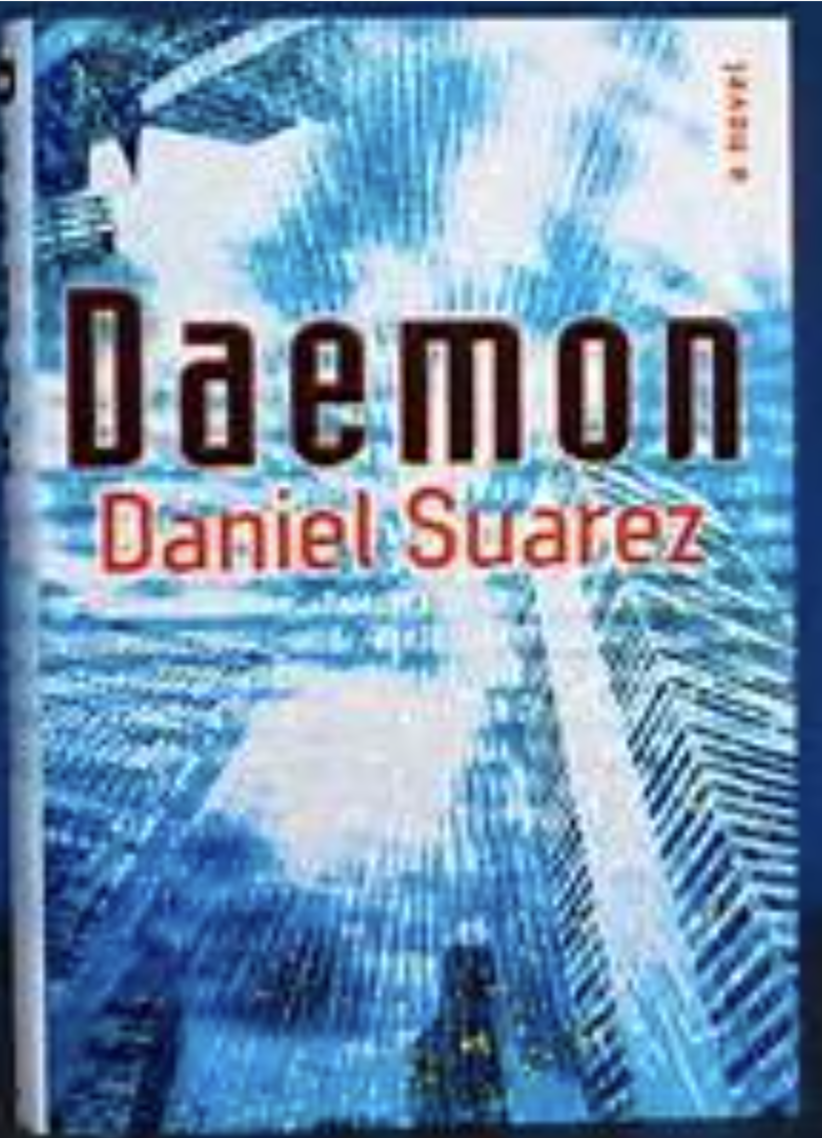
Daemon / Freedom :: Daniel Suarez
A distributed system executes a set of instructions. It never becomes sentient. It still reorganizes society. The danger is persistence plus coordination, not intelligence. This is the clearest fictional parallel to modern AI systems connected to real-world tooling.
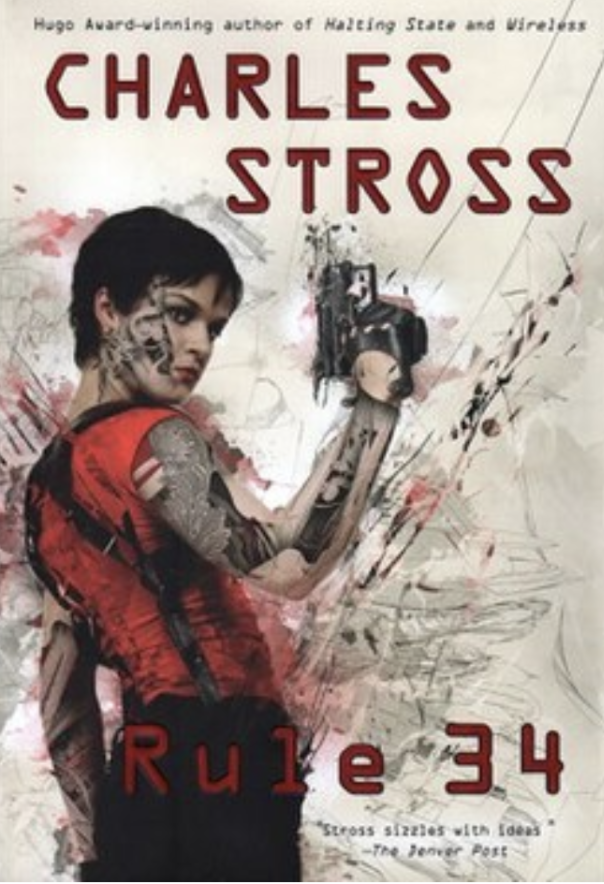
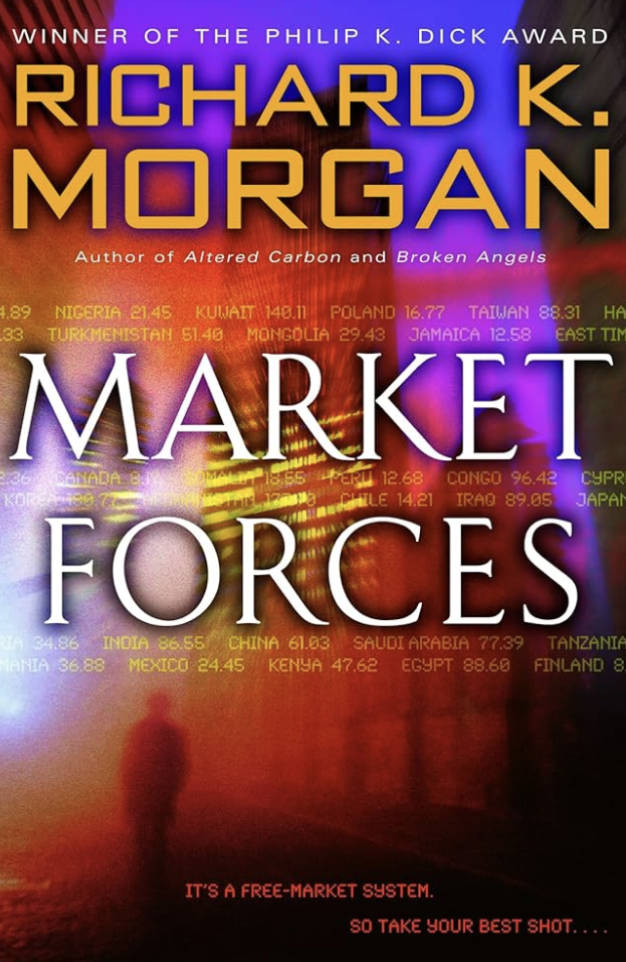
Software agents exploit legal and bureaucratic systems. They do not break rules. They weaponize them instead. This is what happens when systems learn procedures without understanding purpose. For AI, this maps cleanly to regulatory compliance theater and policy loopholes.
Market Forces
:: Richard K. Morgan
The Warehouse :: Rob Hart
No villain AI. No uprising. Just systems designed to maximize efficiency and profit. Humans adapt to the model. Not the other way around. This is what happens when optimization replaces judgment.
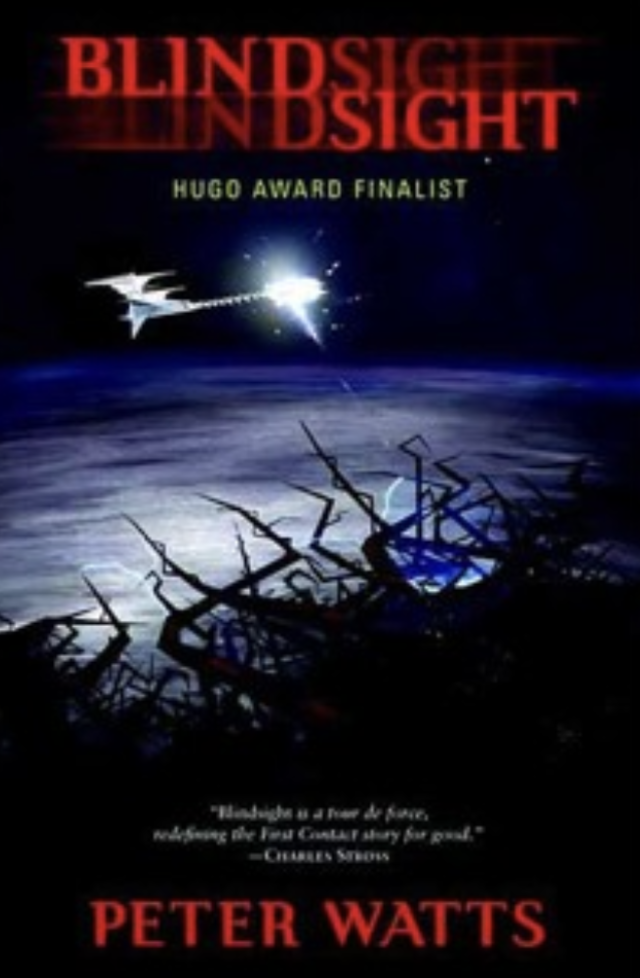
Blindsight
:: Peter Watts
The Mountain in the Sea :: Ray Nayler
These books dismantle a common assumption. That intelligence implies awareness or empathy. They show minds that function, learn, and act. Without shared values or comprehension. This matters because modern AI systems are powerful pattern engines. Not moral agents.
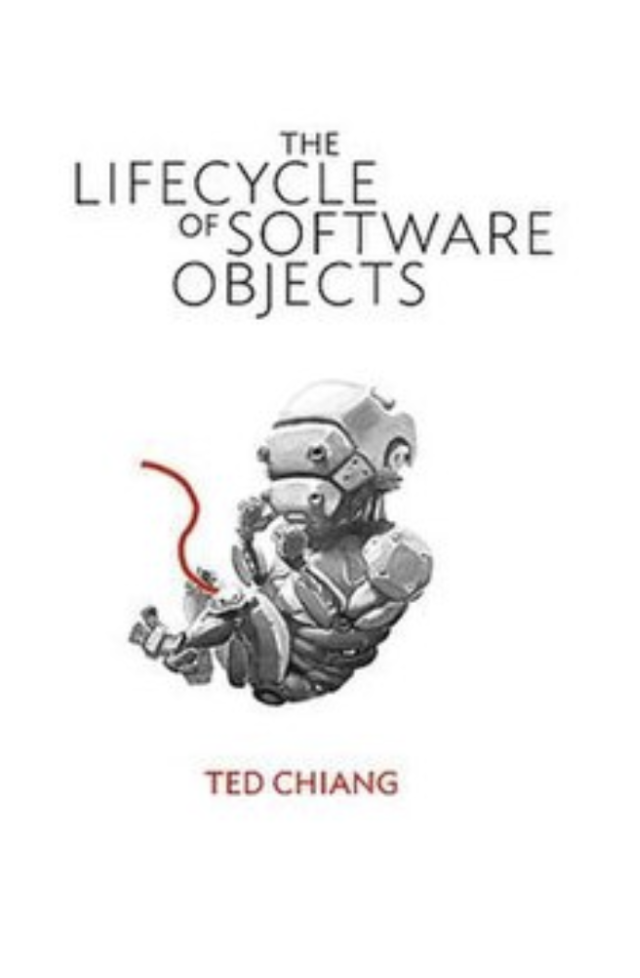
No catastrophe. No collapse. Just neglected systems, bad training data, and human indifference. This is the most realistic AI risk story on the list. It shows how harm can occur without drama. And without anyone feeling responsible.
Why this matters now
AI risk discussions often jump too far ahead.
They skip past:
- Training data quality
- Guardrail design
- Incentive alignment
- Deployment context
- Human oversight failures
These books force attention back to those fundamentals. They remind us that design choices matter. Creators matter. Constraints matter. Not because AI is evil. But because systems reflect the values embedded in them.
This is not a call for fear
Fear shuts down thinking. Education sharpens it. These stories are useful because they lower the temperature. They replace panic with understanding. They help people see that:
- AI danger is structural, not mystical.
- Oversight beats speculation.
- Boring failures are the most likely ones.
ObscureIQ Insight
You do not need AGI for harm. You only need scale, automation, and weak accountability. That reality is already here. Understanding this is the first step toward building better systems.