The Missing Link in Modern Due Diligence
In 2025, nobody makes a serious decision without some kind of due diligence.
The question isn’t “Are you checking?” It’s “Are you checking deeply enough?”Most organizations stop at documents and databases: corporate filings, sanctions lists, basic media checks, maybe a standard background report. That’s useful – but it leaves a blind spot precisely where your biggest risks tend to hide.
That’s the gap Alpha Group was designed to close.
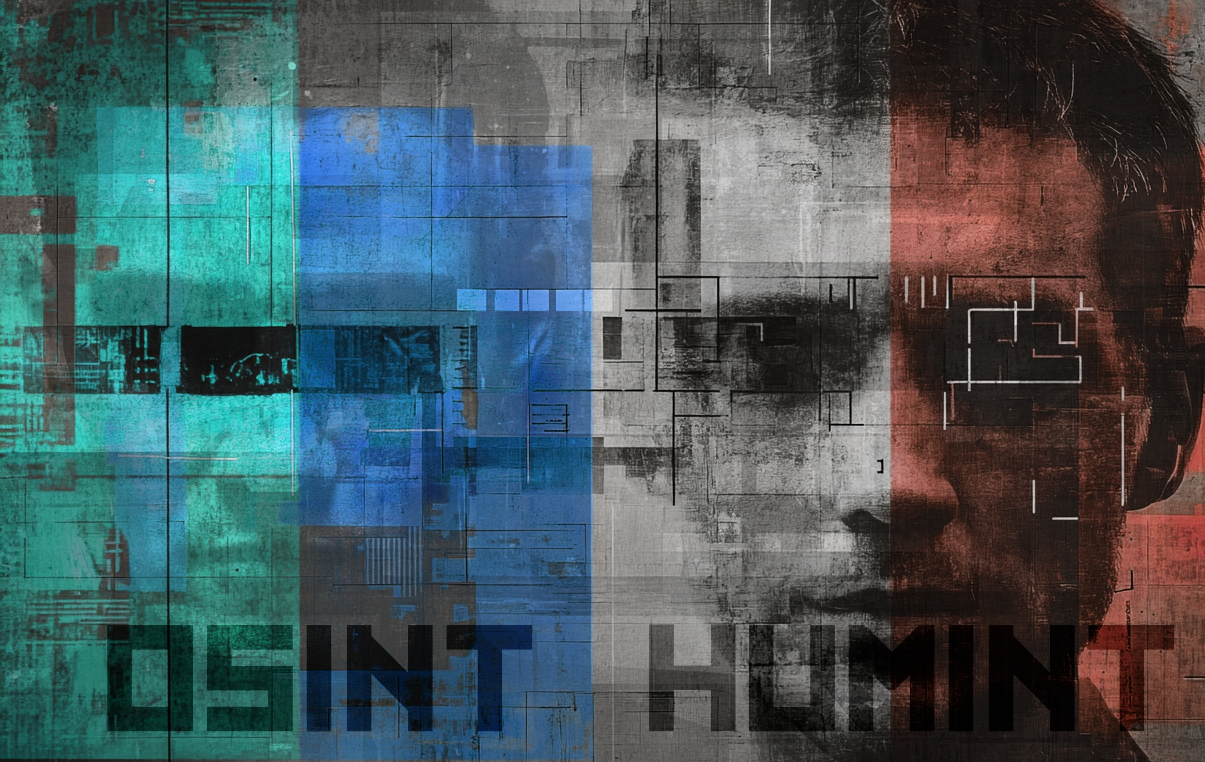
On one side, you have OSINT
(Open Source Intelligence): everything that can legally be gathered from open sources – public records, corporate registries, court and property data, media archives, deep web and certain dark-web sources, social media, and niche local datasets.
On the other side, you have HUMINT
(Human Intelligence): carefully targeted outreach to the right people, in the right places, asking the right questions to verify what the data suggests – or reveal what the data can’t see.
When you combine both, due diligence turns from a box-ticking exercise into an actual risk-management tool.
Databases and automated tools are powerful, but they have structural limits: they only capture what’s been recorded somewhere; they rarely pick up local nuance – political sensitivities, reputational undercurrents, off-book relationships; and they often miss emerging risks: a new pattern of behavior, a shift in a partner’s reputation, or a quiet change in control that hasn’t yet hit major registries.
If you’re buying an asset, onboarding a strategic partner, or hiring a senior executive, those blind spots can translate into unseen litigation and regulatory exposure, hidden beneficial owners or political patrons, quiet conflicts of interest, and exposure to organized crime or sanctioned networks.
By the time those show up in a standard report, you may already be locked into the decision.
At Alpha Group, OSINT is handled by a team of intelligence professionals trained to read between the lines, not just pull records.
A typical OSINT-heavy due diligence assignment may include mapping corporate structures across multiple jurisdictions; identifying shell companies, trusts, and nominee directors; reviewing litigation history, regulatory actions, and local press in multiple languages; analyzing social media and online presence for patterns of behavior and hidden affiliations; and reviewing specialized datasets – industry-specific watchlists, local blacklists, niche blogs, and forums.
This gives you the factual skeleton: who is involved, how entities connect, where the money appears to flow, and what’s already known or alleged.
But some questions remain stubbornly outside the reach of public records. That’s where HUMINT comes in.Human intelligence is about context, corroboration, and the “things everyone knows but nobody writes down.” Within legal and ethical boundaries, Alpha Group leverages a vetted global network to discreetly speak with former employees, partners, or competitors; check how a subject is perceived in the local market; validate (or challenge) the public version of events; and understand how power really works in a specific jurisdiction or sector.
For example, a target may show a clean public record, but multiple independent sources describe a pattern of undisclosed side deals and informal promises. A company may appear legitimate on paper, yet locals view it as a front for another group entirely. A senior executive may never have been charged with anything, but multiple former colleagues quietly warn of serious compliance concerns.
No database will tell you that. People will.
The OSINT + HUMINT model is especially powerful in:
- cross-border M&A and investments,
- high-risk or emerging markets
- politically exposed counterparties (PEPs)
- complex real-estate and asset transactions
- high-stakes disputes and litigation support
In these situations, clients don’t just need to know what happened in the past. They need to understand who really controls what; how local stakeholders are likely to react; which unseen relationships could derail a deal or investigation; and whether there are reputational or political landmines just off the public record.
A typical high-stakes assignment might unfold like this: scoping the risk; building an OSINT baseline; identifying hypotheses and gaps; conducting targeted HUMINT collection; integrating findings; and delivering strategic recommendations tied to specific decisions.
If your current due diligence process leans heavily on automated tools or generic reports, you may be paying for certainty you don’t actually have.
By combining deep OSINT with targeted HUMINT, Alpha Group helps you detect issues before they become crises, avoid deals that look attractive but are structurally risky, negotiate from a position of information advantage, and document your decision-making process for boards and regulators.
In a world full of information, insight is the real differentiator.If you’re evaluating a high-stakes transaction, partner, or individual and want to know what’s really behind the data, consider engaging Alpha Group to design a tailored due diligence engagement.


Partner Note: Alpha Group is a strategic partner of ObscureIQ. Alpha focuses on investigative due diligence, including OSINT and HUMINT-driven research to support high-stakes decisions. ObscureIQ focuses on exposure reduction and digital executive protection, including ongoing threat monitoring, to help individuals and organizations manage risk.