

A quiet shift high-risk people should not ignore
Gmail used to be a tradeoff.
Less privacy. More convenience.
That balance is changing.
Google is now pushing deeper AI features into Gmail. These features require broader access to message content. Not metadata only. Content.
- For most people, this is noise.
- For high-profile individuals, it is signal.
If your name, movements, relationships, or finances have value to outsiders, your email is already part of the attack surface.
AI-driven analysis widens that surface.

What actually changed
This is not about one toggle.
It is about direction.
- Email content is increasingly scanned to power AI features
- Data is retained to improve systems over time
- Aggregation risk grows, even when data is “anonymized”
- Subpoena and discovery value increases with scale
None of this aligns with a high-risk threat model.

The real problem
The issue is not that Google is reckless.
The issue is that Gmail is built for scale, monetization, and inference.
High-profile users need the opposite.
Smaller data pools
Narrow data use
Fewer secondary purposes
Less incentive to analyze content
Turning off features helps.
Staying on the platform still creates structural risk.

The practical reality
Total isolation is unrealistic.
Executives still need speed, search, and reliability.
This is not about disappearing.
It is about reducing blast radius.
The goal is controlled convenience.

Short Advisory for High-Profile Clients
Subject: Gmail and Your Risk Profile
If you are still using Gmail for sensitive or private correspondence, this is a good moment to step back and reassess.
Gmail’s newer AI features increase how much message content is analyzed and retained. That runs counter to the needs of people whose communications already carry elevated interest and value.
This does not require panic.
It does require adjustment.
What we recommend
1. Move critical communication off Gmail
- Shift executive, legal, financial, and family email to a privacy-focused provider
- Prioritize services with end-to-end encryption and narrow data-use policies
- Treat Gmail as a low-risk intake address only, if you keep it at all
2. If Gmail remains in use, lock it down
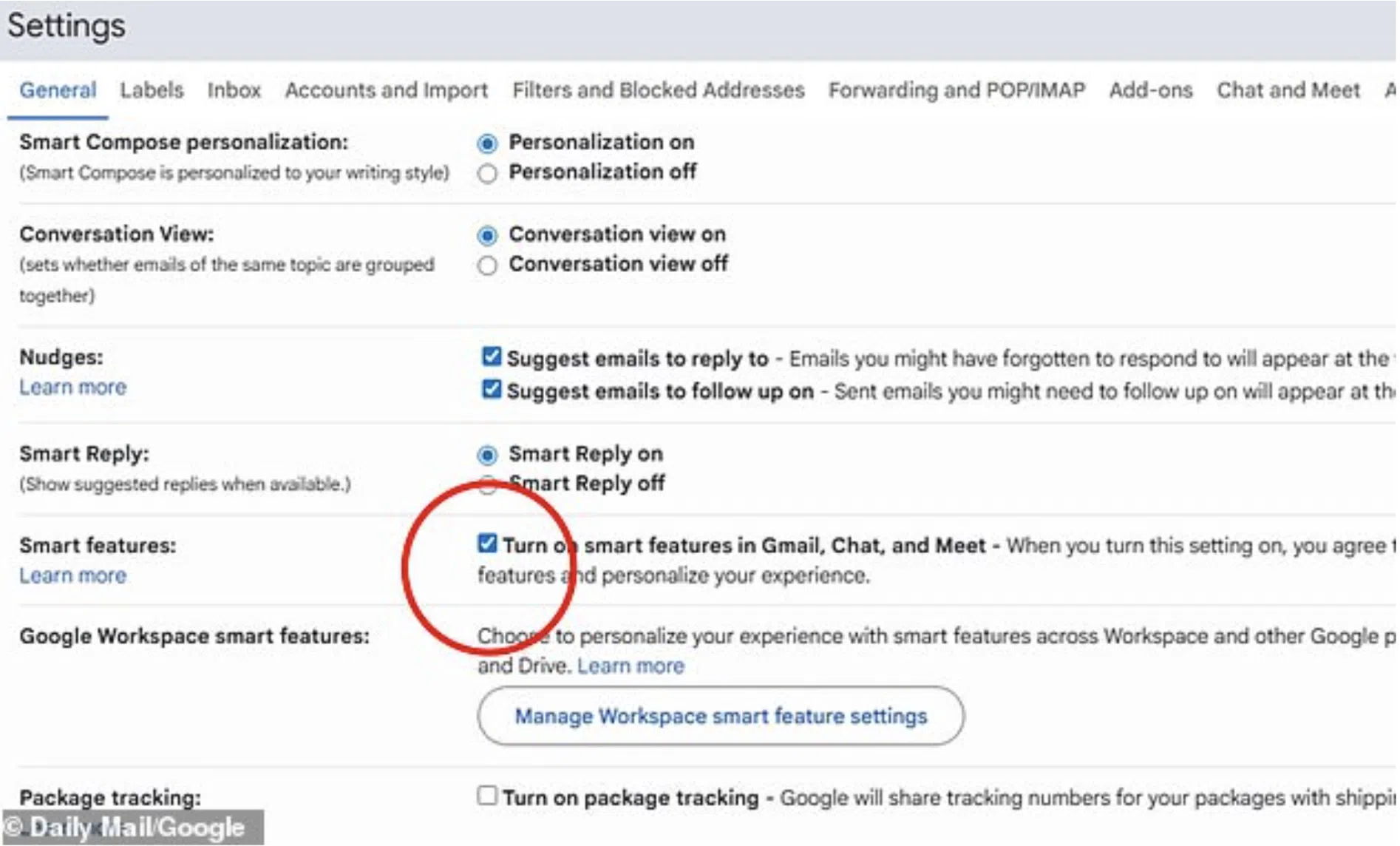
- Disable AI writing, summarization, and “smart” features
- Review Google account settings tied to data use and model training
- Recheck these settings regularly. They change
3. Separate identities
- Different providers for public, work, and private use
- Different devices or profiles where possible
- Align assistants and family on the same rules
This is not about eliminating convenience.
It is about preventing convenience from quietly redefining your exposure.
A clean migration plan can preserve usability while materially lowering risk.
That balance is achievable.